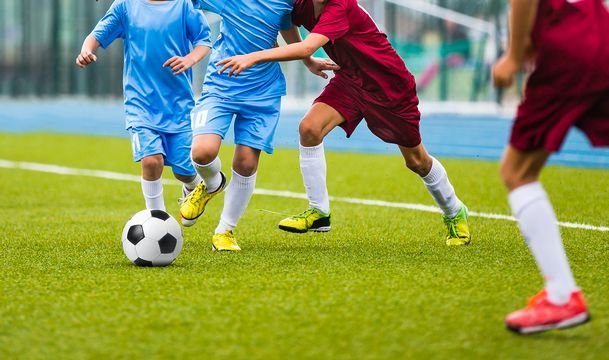

Athletes are often admired for their speed, strength, endurance, and skill. Whether competing in football, cricket, athletics, swimming, basketball, or any other sport, top performers appear capable of achieving extraordinary physical feats. However, their success is not based solely on talent. Behind every great athlete is a disciplined lifestyle built around maintaining physical fitness, mental strength, proper nutrition, and consistent training.
Athletic performance depends on many interconnected factors. An athlete who neglects even one important area may experience reduced performance, slower recovery, or increased risk of injury. Therefore, successful athletes focus on maintaining multiple aspects of their health and lifestyle every day.
Understanding what athletes need to maintain provides valuable lessons not only for sports professionals but also for anyone seeking a healthier and more productive life.
Physical Fitness
The foundation of athletic success is physical fitness.
Athletes must maintain:
- Strength
- Endurance
- Flexibility
- Speed
- Agility
- Balance
- Coordination
Different sports emphasize different physical abilities.
For example:
- Sprinters focus on explosive speed.
- Marathon runners prioritize endurance.
- Gymnasts require flexibility and balance.
- Weightlifters develop maximum strength.
Regardless of the sport, regular training is necessary to maintain peak condition.
Without consistent exercise, physical performance can decline surprisingly quickly.
Proper Nutrition
Food serves as the body’s fuel.
Athletes require carefully balanced nutrition to support training, competition, and recovery.
A healthy athletic diet often includes:
Carbohydrates
Carbohydrates provide energy for exercise.
Sources include:
- Rice
- Bread
- Oats
- Fruits
- Vegetables
Protein
Protein helps repair and build muscles.
Common sources include:
- Eggs
- Fish
- Chicken
- Dairy products
- Beans
- Lentils
Healthy Fats
Healthy fats support hormone production and overall health.
Examples include:
- Nuts
- Seeds
- Avocados
- Olive oil
Vitamins and Minerals
Micronutrients support countless bodily functions, including immunity, bone health, and energy production.
Athletes often work with nutrition experts to ensure their dietary needs are met.
Hydration
Water is one of the most important components of athletic performance.
During exercise, the body loses fluids through sweat.
Dehydration can lead to:
- Fatigue
- Muscle cramps
- Reduced concentration
- Poor performance
- Heat-related illnesses
Athletes carefully monitor fluid intake before, during, and after training sessions.
In intense conditions, electrolyte replacement may also be necessary.
Maintaining proper hydration helps the body perform efficiently and recover effectively.
Sleep and Recovery
Many people focus on training but underestimate the importance of recovery.
The body repairs itself during rest.
Sleep supports:
- Muscle recovery
- Hormone regulation
- Memory formation
- Immune function
- Mental performance
Most athletes aim for high-quality sleep each night.
Insufficient sleep can negatively affect:
- Reaction times
- Decision-making
- Endurance
- Strength
- Injury resistance
Recovery is not a sign of weakness. It is a critical part of athletic development.
Mental Strength
Athletic success is not purely physical.
Mental toughness plays a major role in performance.
Athletes must maintain:
- Focus
- Confidence
- Discipline
- Motivation
- Emotional control
Competition often involves pressure and uncertainty.
Athletes may face:
- Tough opponents
- Injuries
- Losses
- Expectations from coaches and fans
Developing mental resilience helps athletes remain calm and perform effectively under pressure.
Many professional athletes use techniques such as visualization, meditation, and sports psychology training.
Consistent Training
Training provides the stimulus needed for improvement.
Athletes typically follow structured programs designed to develop specific skills and physical qualities.
Training may include:
- Strength exercises
- Cardiovascular workouts
- Skill drills
- Tactical practice
- Mobility exercises
Consistency is more important than occasional intense effort.
Small improvements accumulated over months and years often lead to significant athletic achievements.
Injury Prevention
Injuries can disrupt athletic careers.
Therefore, athletes must actively work to prevent them.
Common injury-prevention strategies include:
- Proper warm-ups
- Stretching routines
- Strength training
- Recovery sessions
- Correct technique
- Appropriate equipment
Ignoring pain or overtraining can increase injury risk.
Athletes learn to listen to their bodies and seek medical attention when necessary.
Body Composition
Athletes often monitor body composition rather than simply body weight.
Body composition refers to the ratio of:
- Muscle mass
- Fat mass
- Bone mass
- Water content
Different sports require different body types.
For example:
- Sprinters often have powerful muscular physiques.
- Distance runners tend to be leaner.
- Wrestlers may compete within specific weight categories.
Maintaining appropriate body composition helps optimize performance.
Time Management
Successful athletes balance multiple responsibilities.
These may include:
- Training
- Competition
- Education
- Employment
- Family commitments
Good time management helps athletes remain organized and productive.
Professional athletes often follow carefully planned schedules to maximize performance and recovery.
Discipline and Lifestyle Choices
Athletic excellence requires discipline beyond the training field.
Athletes often maintain healthy habits such as:
- Avoiding excessive junk food
- Limiting harmful substances
- Following training schedules
- Maintaining positive routines
Small daily decisions can have a major impact on long-term success.
Discipline helps athletes remain committed to their goals even when motivation fluctuates.
Skill Development
Physical fitness alone is not enough.
Athletes must continually refine sport-specific skills.
Examples include:
- Shooting accuracy in basketball
- Batting technique in cricket
- Swimming stroke efficiency
- Ball control in football
Skill development often requires thousands of hours of deliberate practice.
Even elite athletes continue learning and improving throughout their careers.
Goal Setting
Goals provide direction and motivation.
Athletes commonly establish:
- Short-term goals
- Medium-term goals
- Long-term goals
These objectives help track progress and maintain focus.
Well-defined goals encourage consistent effort and continuous improvement.
Support Systems
Athletes rarely succeed alone.
Support networks may include:
- Coaches
- Trainers
- Nutritionists
- Physiotherapists
- Family members
- Teammates
These individuals contribute valuable guidance, encouragement, and expertise.
Strong support systems help athletes navigate challenges and achieve their full potential.
Conclusion
Athletic success depends on much more than natural talent. To perform at their best, athletes must maintain physical fitness, proper nutrition, hydration, quality sleep, mental strength, injury prevention practices, and disciplined lifestyles. They must also continue developing skills, managing their time effectively, and relying on strong support networks.
The habits that help athletes succeed can benefit anyone. Whether pursuing competitive sports or simply seeking better health, maintaining these essential areas contributes to improved performance, well-being, and long-term success. Behind every athletic achievement lies a commitment to consistent effort, balance, and personal growth.