
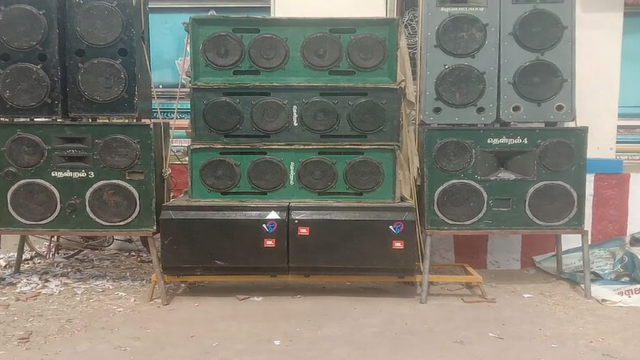
Public loudspeakers, once symbols of community gatherings and cultural celebrations, have increasingly become a source of nuisance in Tamil Nadu. From temples and mosques to political rallies and social events, the widespread use of loudspeakers has sparked debates about noise pollution, public health, and the need for stricter regulation.
Cultural Significance of Loudspeakers
In Tamil Nadu, loudspeakers have long been associated with religious and social traditions. Temples use them to broadcast devotional songs, mosques employ them for prayer calls, and political parties rely on them during campaigns. For decades, these practices have been seen as integral to community life, reinforcing cultural identity and collective participation.
Rising Concerns Over Noise Pollution
Despite their cultural role, loudspeakers have increasingly drawn criticism for contributing to noise pollution. Residents in urban and semi-urban areas often complain about sleepless nights, disrupted routines, and health issues caused by prolonged exposure to high-decibel sounds. Medical experts warn that constant noise can lead to stress, hearing problems, and reduced concentration, particularly among children and the elderly.
Legal Framework and Enforcement Challenges
The Supreme Court of India and the Tamil Nadu Pollution Control Board have issued guidelines restricting the use of loudspeakers, particularly during nighttime hours. However, enforcement remains inconsistent. Local authorities often struggle to balance cultural sensitivities with legal mandates, leading to frequent violations. Political events and religious festivals, in particular, see widespread use of loudspeakers despite restrictions.
Community Voices and Public Sentiment
Public opinion in Tamil Nadu reflects a growing divide. While many citizens acknowledge the cultural importance of loudspeakers, others argue that unchecked usage infringes on the right to peace and quiet. Residents in Chennai, Madurai, and Coimbatore have voiced concerns about the lack of regulation, urging authorities to implement stricter controls. At the same time, community leaders emphasize the need to preserve traditions without causing harm.
Impact on Education and Daily Life
Students preparing for examinations often find themselves distracted by loudspeakers blaring music or speeches. Office workers and professionals report difficulty concentrating, while families complain about disrupted sleep cycles. The cumulative effect of these disturbances highlights the broader impact on productivity and quality of life across Tamil Nadu.
Religious Practices and Sensitivity
Religious institutions remain central to the debate. Temples and mosques argue that loudspeakers are essential for reaching devotees, especially during festivals or prayer times. However, critics contend that modern technology, such as mobile apps and live-streaming, could serve as alternatives without disturbing neighborhoods. Balancing religious freedom with public health concerns continues to be a delicate issue for policymakers.
Political Campaigns and Public Gatherings
Tamil Nadu’s vibrant political culture relies heavily on loudspeakers during rallies and campaigns. Parties use them to broadcast speeches, slogans, and songs, often at high volumes. While these practices energize supporters, they also contribute significantly to noise pollution. Calls for stricter regulation during election seasons have grown louder, with citizens demanding that political enthusiasm not come at the cost of public well-being.
Possible Solutions and Alternatives
Experts suggest several measures to address the nuisance. These include enforcing decibel limits, restricting usage during nighttime hours, and encouraging the adoption of quieter technologies. Community awareness campaigns could also help shift attitudes, promoting respect for neighbors while preserving cultural practices. Some municipalities have experimented with designated zones for loudspeaker use, offering a potential model for wider implementation.
Conclusion
The debate over public loudspeakers in Tamil Nadu underscores the tension between tradition and modern living. While they remain integral to cultural and religious practices, their unchecked use has become a growing nuisance, affecting health, education, and daily life. Striking a balance between preserving heritage and ensuring public peace will require thoughtful regulation, community cooperation, and innovative solutions.