
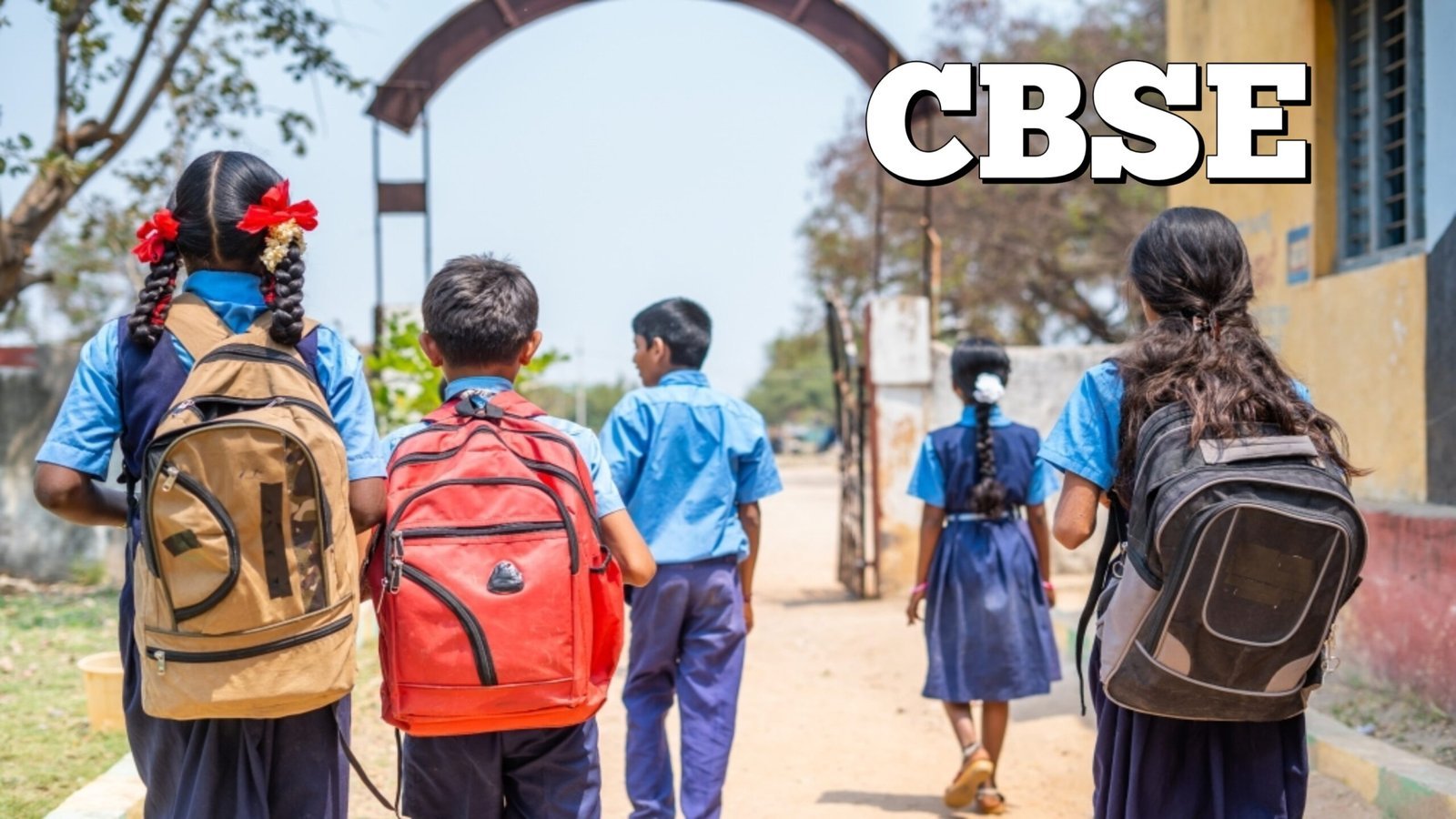
The Central Board of Secondary Education (CBSE), India’s largest national education board, is once again at the center of debate. Recent discussions surrounding the CBSE syllabus have highlighted concerns from parents, educators, and students about its scope, relevance, and impact on academic performance. With millions of students enrolled under CBSE-affiliated schools, the issue has sparked nationwide attention, raising questions about the future of India’s education system.
Background of CBSE
Established in 1962, CBSE has grown into one of the most influential education boards in India, overseeing thousands of schools across the country and abroad. Its syllabus is designed to provide uniformity and standardization, ensuring that students from diverse regions receive a consistent education. Over the years, CBSE has introduced reforms to align with global standards, but these changes have often triggered debates about their effectiveness and practicality.
Current Issues in the CBSE Syllabus
The present controversy revolves around several key concerns. Parents and teachers argue that the syllabus is overloaded, placing excessive pressure on students. Critics claim that the curriculum emphasizes rote learning rather than critical thinking, leaving little room for creativity and innovation.
Additionally, recent revisions have sparked confusion among schools, with educators struggling to adapt to new guidelines. Some subjects have seen reductions in content, while others have been expanded, leading to inconsistencies that affect teaching methods and student preparation.
Impact on Students
Students remain the most affected by these syllabus changes. Many report feeling overwhelmed by the volume of material, particularly in science and mathematics. The emphasis on examinations and high-stakes testing has added to the stress, with students often resorting to coaching centers to cope with the demands.
Mental health experts have also raised alarms, noting that the pressure associated with CBSE’s syllabus contributes to anxiety and burnout among adolescents. Calls for a more balanced approach that prioritizes holistic development are growing louder.
Teachers’ Perspective
Educators have voiced concerns about the lack of clarity in syllabus revisions. Teachers argue that frequent changes disrupt classroom planning and make it difficult to maintain consistency in instruction. Many believe that the syllabus should be streamlined to focus on essential concepts while encouraging analytical skills.
Some teachers also highlight the challenge of catering to diverse student needs. With classrooms often comprising students of varying abilities, a rigid syllabus can hinder personalized learning and limit opportunities for creative teaching methods.
Parents’ Concerns
Parents across India have expressed frustration with the current state of the CBSE syllabus. Many feel that the curriculum is too demanding, leaving children with little time for extracurricular activities or personal growth. The reliance on coaching centers has also raised concerns about affordability and accessibility, widening the gap between privileged and underprivileged students.
Parents are increasingly advocating for reforms that reduce academic pressure while maintaining quality education. They emphasize the need for a syllabus that prepares students for real-world challenges rather than focusing solely on examination scores.
Government and Policy Response
The Ministry of Education has acknowledged the concerns surrounding CBSE and has initiated consultations with experts to review the syllabus. Officials have stated that reforms are aimed at making the curriculum more student-friendly, with an emphasis on skill development and experiential learning.
Pilot programs in select schools are testing new approaches, including project-based learning and reduced emphasis on rote memorization. However, widespread implementation remains a challenge, given the scale of CBSE’s reach across India.
Broader Implications for Indian Education
The debate over CBSE’s syllabus reflects broader issues within India’s education system. As the country seeks to position itself as a global leader in innovation and technology, the need for an education model that fosters creativity, problem-solving, and adaptability is critical.
Experts argue that reforms in CBSE could set the tone for other boards, influencing the direction of education nationwide. A balanced syllabus that combines academic rigor with practical skills could help India’s youth meet the demands of a rapidly changing world.
Conclusion
The ongoing debate over the CBSE syllabus underscores the urgent need for reform in India’s education system. While the board has played a crucial role in standardizing learning across the country, its current challenges highlight the importance of evolving with the times. Parents, teachers, and students are united in their call for a curriculum that reduces pressure, encourages creativity, and prepares young minds for the future. The resolution of this issue will not only shape the academic journey of millions of students but also influence the trajectory of India’s educational landscape.