
June 07, 2026
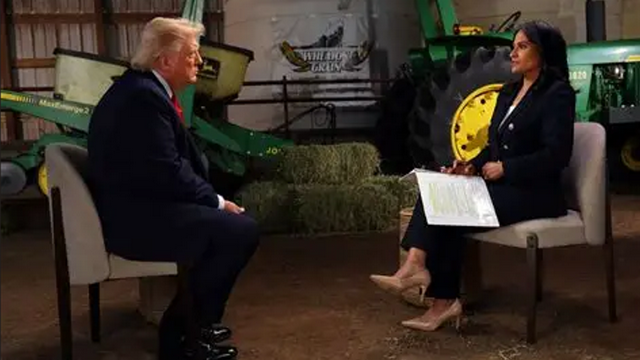
A tense exchange between U.S. President Donald Trump and NBC’s Meet the Press moderator Kristen Welker ended dramatically when Trump removed his microphone and walked out mid-interview. The confrontation, which aired on June 7, 2026, centered on Trump’s repeated claims of election fraud and his proposed $1.8 billion “weaponization fund.” The walkout has since dominated headlines and ignited widespread debate on media accountability, political transparency, and election integrity.
The Setting in Wisconsin
The interview was conducted in Chippewa Falls, Wisconsin, against the backdrop of Trump’s push for his “anti-weaponization” fund. The proposal, criticized for potentially compensating individuals involved in the January 6 Capitol attack, had already drawn scrutiny from lawmakers and the Justice Department. Welker’s questions about the fund and ongoing elections in California set the stage for a contentious discussion.
The Heated Exchange
Welker pressed Trump for evidence supporting his claims that both the 2020 presidential election and California’s current races were “rigged.” Trump responded by accusing the press of dishonesty, calling Welker “crooked” and “stupid.” He broadened his criticism to include major networks such as ABC, CBS, and CNN, labeling them part of a “crooked” media establishment. The confrontation escalated until Trump declared, “Let’s call it quits because I’ve had enough,” before abruptly ending the interview.
Social Media Reaction
Clips of the walkout circulated rapidly across platforms like X (formerly Twitter), Facebook, and TikTok. Supporters argued that Trump was right to challenge what they viewed as biased questioning, while critics praised Welker’s persistence in demanding evidence. The incident became one of the most discussed political moments of June 2026, trending globally and fueling debates on journalism’s role in holding leaders accountable.
Trump’s History with the Press
The walkout reflects Trump’s long-standing adversarial relationship with mainstream media. In recent weeks, he had clashed with CNN journalist Kaitlan Collins, accusing her of “hatred in her eyes” and calling the network “corrupt.” His repeated confrontations with journalists, particularly female anchors, have drawn criticism from press freedom advocates who argue such behavior undermines democratic discourse.
Broader Implications
The incident raises questions about the balance between political accountability and media conduct. While Trump’s supporters see his actions as resistance to hostile journalism, critics argue that walking out of interviews erodes transparency. The clash also highlights ongoing divisions in U.S. politics, particularly around election integrity and the legacy of January 6.
Conclusion
Trump’s walkout from NBC’s Meet the Press underscores the deep polarization in American politics and the contentious relationship between the presidency and the press. As debates over election integrity and media bias continue, the incident serves as a reminder of the critical role journalism plays in questioning power—and the challenges of navigating political interviews in a polarized era.