
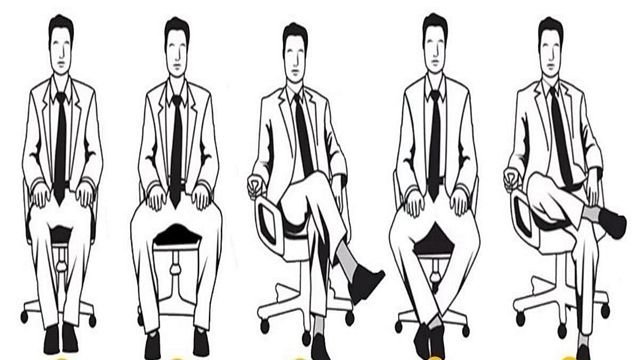
Body language, often described as the silent language of human interaction, plays a crucial role in shaping communication across cultures. Desmond Morris’s seminal work Man Watching offers a comprehensive exploration of non-verbal cues, emphasizing how gestures, posture, and facial expressions transcend spoken words. In today’s interconnected world, understanding body language has become essential for diplomacy, business, and everyday relationships.
The Foundations of Body Language
Morris’s Man Watching underscores that body language is not merely supplementary to speech but a primary mode of communication. From subtle eye movements to deliberate hand gestures, these signals often reveal emotions and intentions more accurately than words. Anthropologists and psychologists alike recognize body language as a universal phenomenon, though its interpretation varies across cultural contexts.
Cultural Variations in Non-Verbal Communication
One of the most compelling aspects of Morris’s research is the diversity of body language across nations. A gesture considered polite in one culture may be offensive in another. For instance, the act of maintaining eye contact is seen as a sign of confidence in Western societies, while in parts of Asia, it may be interpreted as disrespectful. Such differences highlight the importance of cultural sensitivity in international communication.
Body Language in Diplomacy and Politics
Global leaders frequently rely on body language to reinforce their messages. A firm handshake, a measured pause, or a confident stance can influence negotiations as much as spoken words. Morris’s observations remain relevant in analyzing political summits, where non-verbal cues often reveal underlying tensions or alliances. In an era of televised diplomacy, body language has become a powerful tool for shaping public perception.
The Role of Body Language in Business
In corporate environments, body language significantly impacts trust and collaboration. Studies show that professionals who exhibit open gestures and attentive posture are more likely to build rapport with colleagues and clients. Morris’s insights into workplace interactions emphasize that success often depends not only on verbal communication but also on the ability to project confidence and empathy through non-verbal signals.
Psychological Dimensions of Body Language
Beyond cultural and professional contexts, body language serves as a window into the human psyche. Morris highlights how involuntary movements—such as fidgeting or avoiding eye contact—can reveal anxiety, deception, or discomfort. Psychologists continue to use these cues in therapy and behavioral studies, reinforcing the idea that body language is deeply intertwined with emotional well-being.
Body Language in Everyday Life
From casual conversations to public speaking, body language shapes daily interactions. A smile can diffuse tension, while crossed arms may signal defensiveness. Morris’s work encourages readers to become more aware of these signals, both in themselves and others, fostering empathy and understanding in personal relationships.
The Global Relevance of Morris’s Work
Although Man Watching was first published decades ago, its relevance has only grown in the age of globalization. International travel, digital communication, and multicultural workplaces demand heightened awareness of non-verbal cues. Morris’s exploration of body language provides timeless guidance for navigating these complexities, making his work a cornerstone in the study of human interaction.
Conclusion
Desmond Morris’s Man Watching remains a landmark study in understanding the silent yet powerful language of human behavior. In an increasingly interconnected world, body language continues to shape diplomacy, business, and everyday life. Recognizing and respecting cultural variations while appreciating universal signals can enhance communication and foster stronger global relationships.